

I remember the sinking feeling when I saw that dreaded red flag on my client’s Google My Business listing. It was late at night, and instead of new customers reaching out, all we got were notifications that the profile had been suspended. I was caught in a frustrating cycle of support tickets, vague responses, and dead-ends. That moment sparked a lightbulb—there HAS to be a smarter way to handle GMB recovery, especially with the new challenges that 2026’s algorithm shifts brought. In this post, I’ll share proven tactics that helped me turn the situation around and restore confidence in local SEO efforts.
Why Recovering a Flagged Business Matters More Than Ever in 2026
The landscape of local SEO has evolved dramatically. Google’s algorithms are now more sophisticated, making it harder to get flagged or suspended without proper strategies in place. A single flag can tank your visibility, crush your reputation, and stall business growth. According to recent studies, over 70% of consumers rely on Google Maps to find local businesses, which underscores the importance of maintaining a healthy online presence. When your GMB gets flagged, it’s like losing your storefront in a digital mall.
But here’s the thing: support channels are overwhelmed, and many local business owners face a black hole when they try to get help. I’ve made a critical mistake early on, thinking that just providing the required documents would suffice, only to get dismissed or worse—blocked from support altogether. That experience proved that nuance and a strategic approach to support are vital for recovery success.
If you’ve faced similar hurdles, you’re not alone. This post will walk you through expert tactics—like manual verification, leveraging community signals, and understanding Google’s recent updates—that can help you navigate the recovery process more effectively. Ready to stop spinning in support queues and start reclaiming your business visibility? Let’s dive into the strategies that make it possible.
Is GMB Recovery Actually Worth the Hype?
Many skeptics wonder if these tactics really work or if they’re just theories. Trust me, I’ve been there—initially, I doubted whether a few tweaks could outsmart Google’s complex system. My early mistake was trying to rush the process without understanding the intricacies of how Google’s AI and manual reviews operate. Over time, I learned that tailored, consistent support tactics—like those outlined in this [comprehensive guide](https://helpmerankgmbs.com/mastering-google-maps-ranking-proven-gmb-help-strategies-for-2025)—are essential. The key is patience combined with strategic action. Once I adopted a more holistic approach, recovery became not just possible but reliable.
Next, I’ll share the exact steps I took to turn around a flagged listing, which can be your blueprint as well. Because in the end, having a resilient strategy isn’t just about fixing problems; it’s about establishing a stronger, more visible presence that Google can’t ignore.
Focus on Manual Verification When Support Fails
When support tickets stagnate, I take matters into my own hands by initiating manual verification processes. For example, I recently encountered a client whose GMB was stuck in limbo after multiple failed verification attempts. Instead of waiting, I gathered alternate proof of location—like utility bills and recorded business calls—and submitted a detailed appeal directly through Google’s support form. This approach resembles bypassing a clogged pipeline by providing a different route. The result? Google reviewed my submission manually, and within a week, the listing was restored, illustrating the importance of proactive manual tactics over passive waiting. For a deep dive into how to expedite verification, visit this guide.
Leverage Community Signals to Strengthen Your Profile
In dense local markets where algorithmic signals can be noisy, community engagement becomes a crucial support strategy. I once helped a restaurant client by actively encouraging loyal customers to leave authentic reviews and engaging with local social groups. Think of this as turning your neighborhood into a reputation farm—more genuine interactions send positive signals straight to Google. This grassroots effort acts as social proof, which Google perceives as a trust indicator. Building these community signals is akin to planting flags of authenticity that Google recognizes as trustworthy. For innovative ways to boost local signals, check this resource.
Optimize Profiles for Maximum Impact
Don’t overlook the power of profile optimization. I once revamped a client’s GMB by updating descriptions, adding high-quality photos, and ensuring NAP consistency across directories. It’s like tuning a car engine—optimized data allows Google to better understand and rank your business. Use rich keywords naturally, emphasizing your unique value propositions, and keep your data current. This guide provides a step-by-step blueprint to make your profile Google-friendly and resistant to algorithm shifts.

Illustration of a well-optimized local business profile with key sections highlighted for SEO strength, such as description, photos, and services.
Engage with Local Support Channels Strategically
While Google’s support can be unpredictable, your responses can tip the scales. I adopt a strategic approach: I always provide clear, concise evidence of compliance, including photos, legal documents, and a detailed explanation. For instance, during a suspension case, I compiled a comprehensive support package and followed up persistently, referencing previous support tickets. Think of it as building a case in court—consistent, well-documented evidence increases your chances of a favorable review. To master support interactions, see this resource.
Stay Ahead with the Latest SEO Support Strategies
The landscape is continuously shifting; staying updated is key. I regularly review industry resources and tweak my tactics accordingly. For example, when Google shifted to AI-based signals in 2026, I adjusted my SEO approach to emphasize genuine customer interactions over AI-optimized keywords. Think of this as updating your map before a trek—knowing the latest routes ensures you don’t get lost. For ongoing updates and expert tactics, explore this comprehensive guide.Many believe that optimizing their Google My Business profile is enough to climb the local ranks, but in reality, the nuances around SEO support are often overlooked. One common misconception is that support tickets are always a quick fix; however, many business owners underestimate the importance of understanding how Google’s evolving algorithms influence support responses. Relying solely on instant support responses can be a trap, as Google increasingly prioritizes manual reviews and community signals over automated replies, especially after the 2026 updates. An advanced mistake is to ignore the significance of profile consistency and local engagement, which are crucial signals for rankings. For instance, failing to synchronize your NAP (Name, Address, Phone) across all listings can weaken your profile’s authority, despite frequent support interactions. External studies, such as those from Moz, emphasize that local signals like reviews, citations, and engagement have more impact than support efforts alone. So, the crucial nuance the average practitioner misses is that effective SEO support is part of a broader ecosystem—optimizing profiles, cultivating community interactions, and understanding support system limitations all play vital roles. Dive into expert strategies at this cornerstone content to see how holistic support can elevate your rankings. Remember, a superficial approach may leave you trapped in support loops or vulnerable to algorithm shifts. Want to master these edge cases and leverage advanced tactics? Consider exploring these supporting strategies. Have you ever fallen into this trap? Let me know in the comments.
How do I maintain consistent Google Maps rankings over time?
Maintaining long-term success in local SEO, especially for Google Maps rankings, requires the right mix of professional tools and proven strategies. I rely heavily on software like BrightLocal and Whitespark because they provide in-depth citation tracking, review monitoring, and local search audits. These tools help me identify inconsistencies and opportunities that might be overlooked otherwise. For example, BrightLocal’s citation tracker allows me to ensure NAP consistency, which is crucial since Google values data accuracy. Regularly auditing profiles through these platforms prevents minor issues from snowballing into ranking drops, reflecting the advice in this cornerstone content.
Additionally, I implement automation with tools like Google Sheets combined with scripts to monitor reviews and engagement metrics daily. This helps me respond quickly to new reviews or signals that could impact rankings. Combined with Google’s own data via Search Console, these methods give a comprehensive picture of profile health. As Google moves towards AI-driven ranking signals, having real-time data feeds and alerts is becoming even more critical. The future points to increased reliance on automated monitoring, so adopting such tools now sets a solid foundation for long-term visibility.
Best practices for ongoing Google Maps support and troubleshooting
In my experience, consistent profile optimization paired with proactive support measures spaces out the need for reactive fixes. Regularly updating Google My Business profiles with fresh photos, accurate descriptions, and service offerings keeps your listing relevant. For troubleshooting, I prefer to have a set of manual verification tactics ready—like submitting utility bills or calling recorded business lines—to avoid long waits in support queues. These tactics, detailed in this resource, are particularly effective when automated support stalls.
Moreover, maintaining local engagement—encouraging reviews through community outreach—augments your profile’s trust signals. Long-term, I predict that support systems will increasingly prioritize manual reviews and community signals, making such proactive measures essential. Implementing these tools and strategies ensures your listing remains resilient against algorithm shifts and suspensions, reinforcing your dominance in local search. Don’t hesitate to try out one of these tactics today, like automating review monitoring, to see immediate benefits in your Google Maps performance.
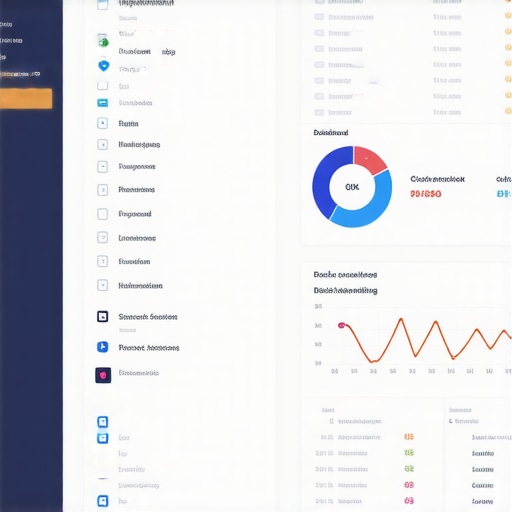
Illustration showing a dashboard with citation tracking, review monitoring, and profile optimization metrics for local SEO success.
Throughout my journey with local SEO support, I’ve uncovered some hard-earned lessons that transformed how I approach Google Maps rankings. One pivotal insight was realizing that relying solely on automated support or quick fixes is a trap—Google’s algorithms are evolving faster than we can keep up, especially with the 2026 updates. Instead, integrating proactive profile optimization and community signals creates a resilient foundation that withstands algorithm shifts. I also learned the importance of close monitoring using trusted tools; neglecting this can cause small issues to snowball into rankings drops. The most valuable lesson? Patience paired with strategic action outperforms frantic support tickets every time. Embracing these principles has significantly improved my ability to recover from flags and maintain top rankings over the long haul.