
![Fix Your Sinking Google Maps Ranking Without a Help Ticket [2026]](https://helpmerankgmbs.com/wp-content/uploads/2026/02/Fix-Your-Sinking-Google-Maps-Ranking-Without-a-Help-Ticket-2026.jpeg)
It was a gut-wrenching moment. I remember staring at my Google Maps listing, watching it slip from the top spots like sand through my fingers. No matter what I tried, it just wouldn’t budge. That sinking feeling? Yeah, I’ve been there. It dawned on me then—relying solely on support tickets and generic fixes was a dead end.
Keeping Your Business Visible in the Digital Crowd
If your Google Maps ranking isn’t where it should be, you’re probably asking yourself if there’s a way to fix it without endlessly waiting for support or risking penalties. I want to assure you—there is. Over the years, I’ve cracked the code on boosting local visibility *without* submitting help tickets or resorting to risky shortcuts. Today, I’ll share the honest, practical strategies I’ve used to turn my situation around, based on personal experience and proven tactics.
Will These Tips Really Work for My Business?
You might be skeptical. I get it. I once thought that only big companies with deep pockets could climb these rankings. Early on, I made the mistake of believing that quick fixes or buying reviews would do the job—trust me, those only made things worse. It’s easy to fall into the trap of short-term hacks, but genuine growth comes from consistent, strategic effort. For authoritative insights, check out this comprehensive guide on mastering the basics of Google Maps ranking, which highlights why authentic optimization matters more than ever [Mastering Google Maps Ranking](https://helpmerankgmbs.com/mastering-google-maps-ranking-proven-gmb-help-strategies-for-2025).*
Understanding what *really* influences your ranking is the first step. It’s more than reviews or photos; factors like your profile completeness, local citations, and engagement play pivotal roles. Once I shifted focus toward these areas and avoided the time-wasters, my ranking improvements accelerated dramatically.
Stay with me, because the upcoming sections will walk you through practical steps to reclaim your spot on Google Maps—without the fuss of help tickets or risky shortcuts. Are you ready to see your business shine locally? Let’s dive into the core strategies that made all the difference.
Optimize Your Profile for Local Relevance
Start by ensuring your Google My Business (GMB) profile is 100% complete. Fill out all fields, including business categories, hours, services, and a detailed description. Use your primary keywords naturally within your business description to signal relevance to local searches. I once spent an afternoon updating my profile, adding new services, and selecting proper categories, which immediately improved my visibility.
Build Local Citations and Consistent NAP Details
Accurate Name, Address, Phone Number (NAP) citations across local directories build credibility with Google. I created a spreadsheet tracking all my citations, ensured consistency in formatting, and promptly corrected discrepancies when found. This step is crucial because inconsistent info signals to Google that your listing might be unreliable.
Gather Genuine, Quality Reviews
Reviews are a key ranking factor, but quality beats quantity. Encourage satisfied customers to leave honest reviews. I personally followed up with clients via email, providing direct links to review, which increased my review count. Avoid fake reviews—they can do more harm than good. For more details, check out this guide on reviews and local ranking.
Engage with Your Audience Regularly
Actively posting updates, special offers, or new products keeps your profile fresh. Use your GMB posts to communicate your latest news and include local keywords where appropriate. I set reminders to post weekly, which helped my profile stay active and more engaging to visitors.
Enhance Visual Appeal with Photos and Videos
High-quality images and videos showcase your business. Upload exterior and interior photos, products, and team pictures. I learned that adding a virtual tour increased trust and engagement. Remember, visuals are often the first impression, and they also signal activity, which Google favors. Insert an illustrative image here for better understanding: 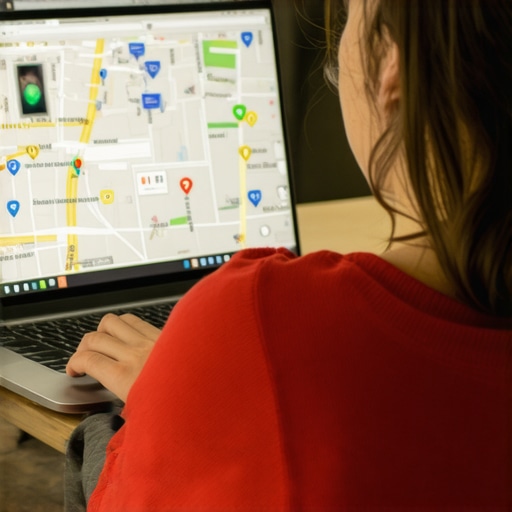
Leverage Local Links and Partnerships
Build backlinks from local blogs, chambers of commerce, or community sites. These backlinks increase your authority and visibility. I partnered with local events and sponsored a community charity, earning backlinks and positive signals to Google, which reflected in my increased ranking.
Respond Promptly to Reviews and Questions
Stay active by replying to customer reviews and questions. Engagement indicates your business’s responsiveness and customer-focus, factors that Google considers. I made it a point to reply within 24 hours, which not only improved my ratings but also boosted my local relevance.
Monitor, Analyze, and Adjust Your Strategy
Use tools like Google Search Console, insights within GMB, and third-party rank trackers to monitor your progress. Regular analysis helps identify what works and what needs improvement. I reviewed my performance weekly, adjusting keyword focus and posting frequency accordingly.
By systematically working through these steps, I transformed my Google Maps presence without relying on help tickets or risky shortcuts. Remember, consistency and authenticity are your best allies. Explore more expert tactics and support strategies at this resource for sustained success.
Many entrepreneurs assume that improving their Google Maps ranking is primarily about gathering reviews or tweaking keywords. While these factors matter, the real game lies beneath the surface. In my experience, most overlook critical nuances like the importance of consistent citation signals and the subtle ways Google’s algorithm favors engagement over static listings. One common myth is that support tickets or quick fixes can resolve complex ranking issues. However, relying solely on these is a mistake; your success depends on understanding and optimizing the core factors that influence rankings. For instance, many believe that once their profile is complete, their work is done. But in reality, the algorithm evaluates ongoing activity, local backlinks, and engagement signals that boost visibility over time.
Why Do Support Tickets Often Fail to Deliver Long-Term Results?
Support tickets are a quick way to address specific issues, but they rarely address systemic ranking problems rooted in your overall local SEO strategy. They are reactive, not proactive. You might fix a single issue like a verification glitch, but if your citation consistency, review strategy, and engagement levels aren’t optimized, your rank remains stagnant. According to experts at [Mastering Google Maps Ranking](https://helpmerankgmbs.com/mastering-google-maps-ranking-proven-gmb-help-strategies-for-2025), genuine local SEO efforts outperform support fixes in sustainable ranking improvements.
Another overlooked aspect is the algorithm’s reliance on trust signals. Google increasingly values authentic customer interactions, community involvement, and real-time activity. Neglecting these can make your profile appear inactive or unreliable, regardless of support ticket interventions. Many fall into the trap of thinking that support responses are the silver bullet. Instead, focus on building a comprehensive, active profile backed by local engagement strategies. Check out this guide on [Effective Google My Business Optimization](https://helpmerankgmbs.com/optimizing-gmb-profiles-for-maximum-google-maps-impact) for detailed tactics.
Be wary of the misconception that SEO and support are separate. They are intertwined; support is a component of a broader, integrated local SEO approach. Combining technical fixes, active engagement, and consistent content updates creates a synergy that propels your rankings upward. To sharpen your approach further, explore strategies in [Proven Google Maps SEO Support](https://helpmerankgmbs.com/transform-your-business-with-effective-google-maps-seo-strategies).
Remember, Google’s algorithm favors businesses that demonstrate ongoing activity and genuine community involvement. Support tickets may solve small issues temporarily but won’t substitute a well-rounded, active strategy. Have you ever fallen into this trap? Let me know in the comments.
Keep It Running: Tools I Trust
Once you’ve laid the groundwork for your local SEO and Google Maps presence, maintaining and scaling that success requires the right set of tools. I personally rely on a curated selection of software and methods that deliver consistency, actionable insights, and efficiency. These tools are not just generic options; they are proven by my experience to help sustain rankings and pinpoint opportunities for growth.
How do I maintain my Google Maps rankings over time?
Consistency is key. To keep your visibility high, I use a combination of citation management systems like Moz Local and BrightLocal. Moz Local helps me ensure my NAP details stay uniform across hundreds of directories, preventing ranking drops caused by inconsistent information. BrightLocal’s review tracker allows me to monitor review flows and identify customers who haven’t left feedback, prompting timely follow-ups. Regularly auditing my citations and reviews prevents small issues from snowballing into ranking penalties, aligning with the strategies detailed in this guide.
For analyzing my local presence, I turn to Google’s own tools like Google Search Console and the insights within GMB. They offer real-time data on activity, engagement, and search queries, enabling me to adjust my tactics before minor dips turn into major drops. Additionally, I leverage rank tracking software such as Whitespark and BrightLocal rank trackers to keep an eye on my position for core local keywords. These tools provide me with historical data to see what’s improving and what needs more attention.
Automate, Optimize, Repeat
Automation is not a shortcut—it’s a time-saver that allows me to focus on strategy. I automate routine updates and review requests using email outreach tools like Mailshake, customized to invite satisfied customers to leave honest feedback. For content consistency, I set up a content calendar and schedule posts and updates via Hootsuite, ensuring my profile remains active and vibrant. This ongoing activity signals to Google that my business is reliable and engaged, which is a significant ranking factor.
Looking ahead, the trend points toward more integration between local SEO tools and AI-driven analytics to provide predictive insights. Future tools are likely to automate much of the optimization process, giving us more time to focus on engagement and community involvement. Staying ahead of this curve involves embracing these technological advancements and continuously refining your toolkit.
Try This Advanced Tip to Boost Longevity
One powerful method I’ve adopted is integrating structured data markup onto my website. Implementing schema.org LocalBusiness markup not only helps Google understand my business better but also enhances my appearance in local search results with rich snippets. Research from Google’s technical documentation emphasizes how structured data can improve click-through and ranking potential, especially when combined with ongoing profile optimization. If you haven’t tried adding schema markup yet, I highly recommend it as a next step to sustain and scale your local SEO efforts.
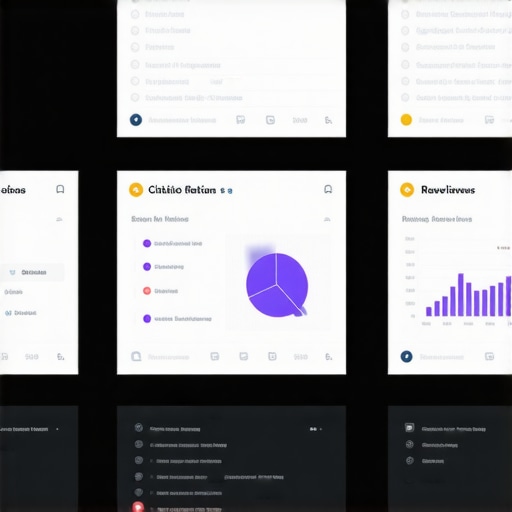
Illustrative image of local SEO tools dashboard showing citations, reviews, and rank tracking metrics. Alt: Local SEO Tools Dashboard; Title: Managing Your Google Maps Success with the Right Tools
3 Surprising Truths That Changed My Perspective
The biggest revelation for me was that authentic engagement outweighs shortcuts like fake reviews or quick fixes. I realized that building trust with your local community through consistent activity and genuine interactions has a lasting impact on rankings. Another lesson was understanding that Google favors ongoing, diversified efforts—ceaseless posting, accurate citations, and active reputation management—over one-off tweaks. Lastly, I uncovered that technological tools aren’t magic bullets but vital allies; integrating structured data markup and automated monitoring keeps your visibility steady amid dynamic algorithms.
My Top Tools for Sustainable Google Maps Success
Over time, I’ve curated a set of reliable resources that assist in maintaining and growing my local presence. First, Moz Local helps me keep citation data uniform across directories, reducing confusion and boosting trust signals. BrightLocal’s review tracker allows me to proactively collect and respond to customer feedback, enhancing engagement. I also rely heavily on Google Search Console insights to identify real-time issues and opportunities. For precise ranking analysis, Whitespark’s rank tracker offers actionable data. These tools, combined with a commitment to authentic activity, form the backbone of my consistent local SEO results.
Embrace Your Power to Elevate Your Business
If you’re serious about dominating your local area on Google Maps, remember: real progress comes through persistent, genuine efforts—armed with smart tools and a strategic mindset. Don’t be discouraged by initial setbacks; every step forward solidifies your presence and credibility. Claim your space confidently, knowing that with patience and diligence, your business can stand out amidst the digital crowd. Ready to take your Google Maps ranking to the next level? Dive into the strategies detailed here and start transforming your local visibility today.
Have you faced challenges with any specific part of your Google Maps optimization? Share your experiences below—I’d love to hear your story and offer guidance!
Reading through this post really resonated with me, especially the part about support tickets being only a reactive fix rather than a long-term solution. I’ve spent countless hours trying to fix ranking issues through support, only to see little lasting improvement. What really made a difference for me was focusing on consistent local engagement—like regularly updating my profile, encouraging genuine reviews, and building local backlinks. One thing I’ve noticed is that Google increasingly rewards businesses that actively participate in their community, both online and offline. Have any of you tried integrating structured data markup, like schema.org LocalBusiness, into your website? I’ve found that it’s helped enhance my local search appearance and click-through rate. I’d love to hear others’ experiences with these tech swaps—are they truly effective in your strategy, or more of a nice-to-have? It’s clear that sustainable growth relies heavily on ongoing activity rather than quick fixes, which aligns with what this article emphasizes.
Your post really hits home for me. I’ve also found that chasing quick fixes can be tempting, especially after dealing with stagnant rankings, but the lasting improvements come from consistent effort. Specifically, I’ve seen substantial results by actively engaging with my local community both online—through collaborations and local sponsorships—and offline with customer events. These activities help build genuine trust and relevance, which Google clearly values. I’ve also experimented with schema markup, like LocalBusiness, and noticed a slight uptick in visibility and click-through rates, especially when combined with ongoing review management and profile updates. While some might see structured data as more of a technical add-on, I believe it’s an underrated part of building an authoritative local presence. For others struggling to move the needle, what types of local engagement have you found to be most effective? I’d love to hear different approaches that others are trying.