
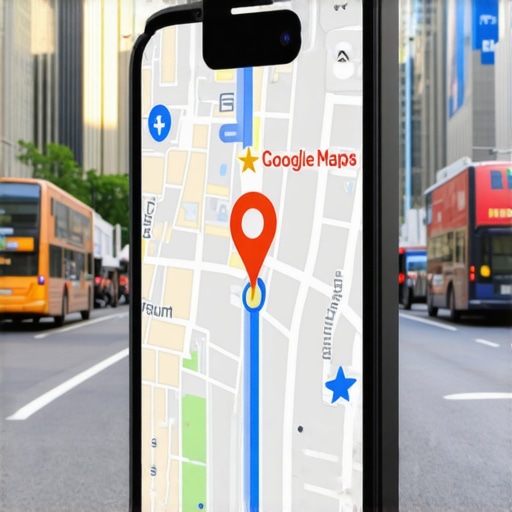
Ever spent hours tweaking your Google My Business profile, only to see your competitors leapfrog ahead in rankings? I remember those frustrating days—thinking I had done everything right but still seeing my local business lost in the digital shuffle. It’s a sinking feeling, real and personal. But here’s the truth I uncovered through trial, error, and a lot of late nights: ranking higher on Google Maps isn’t about luck. It’s about strategic, proven SEO tactics that actually work in 2024.
Why Local SEO Matters More Than Ever
If you’re like most small business owners I talk to, you know the importance of being visible where your customers are looking—right on Google Maps. But the game has changed. Google’s algorithm updates in recent years prioritize user experience, relevance, and authority more than ever before. In fact, a recent report by BrightLocal shows that 78% of local mobile searches lead to an offline purchase within 24 hours. That’s huge. But the challenge? Standing out amid fierce competition and constantly evolving ranking factors.
Early in my journey, I made a critical mistake—believing that simply having a GMB profile was enough. I ignored the importance of ongoing optimization and local SEO support. That oversight cost me valuable visibility, and I learned the hard way how crucial expert help is to outrank competitors. If you’re tired of being buried on page 3 or worse, I’ve got good news. Today, I’ll walk you through the most effective strategies to boost your Google Maps rankings and attract more local customers.
Have You Faced This Problem?
Do you find yourself wondering why your Google My Business listing isn’t showing up on the first page, despite your efforts? Or maybe you’ve spent hours trying to optimize your profile, only to see no real improvement? You’re not alone. Many business owners struggle with the same challenge—understanding what truly moves the needle in local SEO. That’s why I want to share the proven tactics that helped me climb the ranks and can do the same for you.
Audit Your Current Profile
Start by reviewing your Google My Business (GMB) listing thoroughly. Ensure all information is accurate, complete, and up-to-date—this is like tuning an instrument before a performance. Check your business name, address, phone number, website, and hours. In my experience, I once overlooked updating my hours during a holiday season, which caused missed calls and lost opportunities. Correcting this quickly boosted my local visibility and customer trust.
Optimize Your Profile for Maximum Impact
Next, focus on optimizing your GMB profile. Use relevant keywords naturally in your business description, services, and posts. Think of your profile as a storefront—make it inviting and full of useful information. Incorporate high-quality images and videos that showcase your offerings. I learned that professional photos outperform amateur shots in attracting clicks and engagement—invest in good visuals to stand out. For detailed optimization tactics, visit this guide.
Build and Manage Reviews Effectively
Reviews are the social proof that Google and customers trust. Encourage satisfied clients to leave honest reviews, and respond promptly to all feedback—positive or negative. A personal story: I once responded to a negative review with empathy and offered a solution, turning a dissatisfied customer into a loyal advocate. This proactive approach not only improved my rating but also enhanced my reputation. Use tools like review requests and monitor reviews regularly. For expert tips, check this resource.
Leverage Local Keywords and Content
Incorporate local keywords into your website, blog posts, and GMB updates. Think of keywords as the breadcrumbs guiding Google to your door. For example, if you run a bakery in Brooklyn, focus on keywords like “Brooklyn bakery” or “best cupcakes in Brooklyn.” Creating content around local events or collaborations can boost relevance and attract local backlinks. I experimented with a blog post about a community event, which significantly increased my local search visibility. Learn more about content strategies at this article.
Consistent NAP and Local Citations
Ensure your Name, Address, and Phone number (NAP) are consistent across all online platforms. Variations confuse Google and dilute your authority. I once discovered discrepancies in my citations—correcting them across directories and social profiles made a noticeable difference in rankings. Additionally, build local citations by listing your business on reputable directories. Use tools or professional support if needed; more details are at this support page.
Implement Schema Markup for Local SEO
Adding schema markup to your website helps search engines understand your business better. It’s like giving Google a detailed map of your location and services. Implement LocalBusiness schema, including your address, opening hours, and contact info. This technical step can give you an edge in local pack rankings. If you’re unsure how, consider expert support from this advanced support.
Maintain Consistent Engagement and Monitoring
Finally, track your progress and adapt. Use Google My Business insights to see how customers find you, what actions they take, and where improvement is needed. Regularly post updates, offers, and engaging content to stay relevant. I set a monthly schedule to refresh my profile and respond to reviews, which kept my ranking steady. For ongoing help, explore this comprehensive guide.
Many small business owners and even some SEO enthusiasts fall prey to common misconceptions about GMB help and Google Maps ranking strategies. While it’s tempting to think that simply optimizing your profile or buying backlinks is enough, the reality is far more nuanced. Let’s dig deeper into what most people overlook, and how understanding these intricacies can make or break your local SEO efforts.
Why the Popular Advice Might Lead You Astray
Everyone touts the importance of reviews and keyword stuffing, but in my experience, these tactics only scratch the surface. The truth is, Google’s algorithm in 2024 heavily weighs the quality and consistency of your data, as well as your engagement levels. Over-optimizing reviews or loading keywords without strategic intent can trigger spam filters or lead to penalties. Instead, focus on authentic customer interactions and maintaining consistent, high-quality NAP data across all platforms. For detailed strategies, see this advanced support guide.
Beware the Overconfidence Trap
Many assume that once their profile is optimized, rankings will automatically improve. But that’s a dangerous misconception. Google Maps ranking is a dynamic, multi-factor process. Mistakes like neglecting your local citations, ignoring schema markup, or failing to monitor your insights regularly can silently sabotage your efforts. An often-overlooked nuance is the importance of ongoing engagement—posting updates, responding to reviews, and monitoring competitors. These activities signal to Google that your business is active and relevant, which can significantly boost your visibility. For expert insights, check this resource.
What Advanced SEOs Know That You Might Not
Advanced practitioners understand that technical SEO support, like schema markup and site health audits, plays a crucial role in local ranking. They also know that Google’s local pack is increasingly personalized based on user behavior and device type. Here’s a hidden nuance: optimizing for mobile user intent and local relevance simultaneously can outperform traditional keyword stuffing. Also, leveraging local backlinks from reputable sources and community partnerships amplifies your authority in the eyes of Google. These tactics require a strategic, comprehensive approach, and often the help of expert support—more details at this blueprint.
How do I keep my Google Maps rankings consistently high over time?
Maintaining your Google Maps visibility requires a combination of reliable tools, ongoing strategies, and technical support. From my experience, the right equipment and software can significantly streamline your efforts and ensure you stay ahead of the competition.
First, I rely heavily on Google My Business Insights to monitor how customers find and interact with my listing. This free feature provides vital data on search queries, customer actions, and trending issues. Regularly reviewing these insights helps me identify fluctuations in ranking and adjust my tactics accordingly.
Next, I use local citation management tools like BrightLocal or Moz Local. These platforms automatically audit and update my NAP consistency across hundreds of directories, reducing the risk of discrepancies that can hurt my rankings. I’ve found that consistent citations are the backbone of long-term local SEO success.
For review management, I prefer Reputation.com. It consolidates reviews from multiple platforms and automates review requests, making it easier to gather fresh, authentic feedback. Responding promptly and professionally to reviews not only improves my ratings but also signals activity to Google.
Technical support via advanced GMB support is crucial for implementing schema markup, fixing technical issues, and optimizing my website’s local signals. Schema markup, especially LocalBusiness schema, helps search engines understand my business better, which can boost my local pack rankings. I personally use the Schema App plugin for WordPress to manage these tags efficiently.
Finally, I leverage keyword tracking tools like SEMrush or Ahrefs to monitor my local keywords’ performance. This way, I can adapt my content and GMB posts to target emerging search trends, ensuring my visibility remains strong.
Looking ahead, I predict that automation and AI-driven analytics will become even more essential for maintaining Google Maps rankings. Tools that can analyze customer behavior and suggest optimization opportunities in real-time will save us countless hours and improve accuracy. I recommend trying out advanced features in your current tools or consulting with experts who can help you implement these strategies effectively.
To start, I suggest focusing on innovative SEO techniques like schema markup and citation consistency. These foundational efforts will set you up for long-term success. Don’t forget—regular monitoring and engagement are your best allies in staying at the top.

3 Lessons That Changed My Google Maps Game
One of the biggest lightbulb moments I had was realizing that consistent engagement outweighs quick fixes. Responding to reviews promptly and posting regular updates showed Google I was active, which boosted my local pack rankings.
I also learned that technical support, like schema markup and citation management, isn’t just optional—it’s essential. Investing in expert help saved me countless hours and prevented costly mistakes that can hurt rankings.
Finally, I discovered the power of local backlinks from community sites and partnerships. These links significantly improved my business authority in Google’s eyes, leading to sustained visibility over time.
My Go-To Tools for Local SEO Victory
For managing citations and tracking rankings, I trust this comprehensive guide. It keeps my data consistent and my profile optimized.
When it comes to review management, Reputation.com is a game-changer, automating review requests and consolidating feedback.
For technical SEO, schema support, and deep insights, I rely on this expert support. It helps me stay ahead of algorithm updates and technical requirements.
And for keyword tracking and competitive analysis, tools like SEMrush and Ahrefs keep me informed about trending local search terms, so I can tailor my content accordingly.
Take Action and Outrank the Competition Now
Remember, boosting your Google Maps ranking isn’t a one-time effort. It’s about ongoing engagement, technical precision, and strategic content. If you’re ready to elevate your local presence, don’t wait—start implementing these proven tactics today. And if you need personalized support, reach out for expert assistance. Your next customer is just a click away—are you prepared to be found?
Wow, this post really hits home for me! I’ve spent countless hours managing my GMB profile, trying different strategies, only to see my competitors pull ahead. What struck me most was the emphasis on consistent engagement and technical support—things I sometimes overlook in my rush to optimize. I’ve found that actively responding to reviews and posting regular updates makes a noticeable difference in visibility, aligning with what the article mentions. I’m curious, how do others balance content creation with ongoing profile maintenance? Do you have particular tools or routines that help keep everything consistent without becoming overwhelming? This wasn’t just informative but also motivating—I realize now it’s about a holistic, ongoing approach rather than quick fixes.