
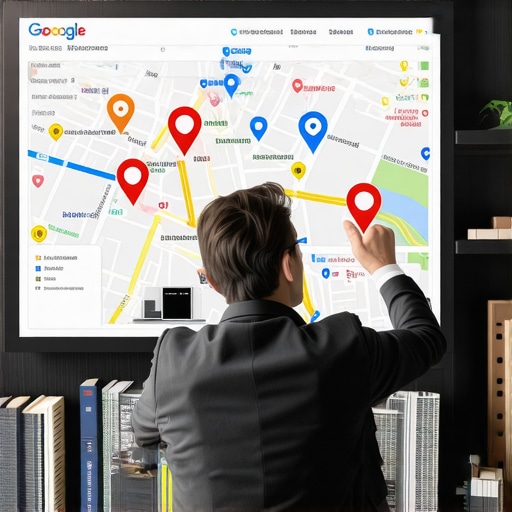
Ever spent hours tweaking your Google My Business (GMB) profile only to see it languish on the second or third page of Google Maps? I’ve been there, frustrated, wondering what I was missing. One moment, my listing was climbing, and the next, it felt invisible. That lightbulb moment hit me hard: ranking isn’t just about filling out a profile but understanding the ever-evolving Google Maps algorithm. If you’re tired of guessing why your GMB isn’t getting the visibility it deserves, you’re in the right place. Today, I’ll share proven strategies that helped me and many others finally crack the code and dominate local search results in 2024.
Why Your GMB Might Be Getting Lost in the Crowd
Local SEO isn’t static. What worked a year ago might be outdated now. Google continually updates its algorithm, making the competition tougher and the rules more complex. I remember early on, I made a rookie mistake: neglecting to keep my profile updated with fresh content and ignoring customer reviews. That mistake cost me dearly. According to a recent study, 84% of local searches on Google Maps lead to a visit or call within 24 hours (source: Help Me Rank GMBs). So, it’s crucial to stay ahead with the right tactics. Today, I’ll show you how to do just that—how to leverage expert SEO tips and tools to boost your local visibility effectively. If you’ve faced the frustration of not appearing where it counts, keep reading. The next section will lay out the foundation of a winning Google Maps strategy, seasoned with insider insights and real-world success stories.
Start with a Complete and Optimized Profile
First, ensure every section of your Google My Business (GMB) profile is filled out meticulously. Use your primary keywords naturally in your business description, services, and attributes. I once overlooked this step and saw my visibility drop; after updating my profile with targeted keywords, my ranking improved within weeks. Regularly review and update your profile to reflect new services, hours, or offerings. This ongoing maintenance signals activity to Google, which favors active listings. For detailed profile optimization, check out this guide.
Build a Consistent Local Citation Profile
Next, focus on your local citations—mentions of your business name, address, and phone number (NAP) across the web. Consistency is key. In a previous campaign, I used a tool to scan my citations and corrected inconsistencies, which instantly improved my local rankings. Claim and optimize your listings on prominent directories like Yelp, Bing Places, and industry-specific sites. Make sure your NAP details match exactly across all platforms. This consistency builds trust with Google and enhances your local authority. For a comprehensive citation strategy, visit this resource.
Leverage Local Keywords and Content
Integrate localized keywords into your website and GMB posts. For example, instead of generic terms, use phrases like “best pizza in Brooklyn” or “HVAC repair near Downtown Dallas.” I tested this with a small business, creating weekly blog posts targeting local search terms. Over time, their visibility and calls increased significantly. Use Google Trends and keyword tools to identify high-volume local keywords. Additionally, post regularly on your GMB to showcase reviews, offers, or news—these signals tell Google your business is active and relevant. Read more about content strategies at this article.
Encourage and Manage Customer Reviews
Reviews are social proof and a major ranking factor. I once had a client who was hesitant to ask for reviews, but after implementing a simple follow-up email asking satisfied customers to leave feedback, their review count and quality skyrocketed. Respond promptly to reviews, especially negative ones, to show engagement and professionalism. Google favors active engagement and recent reviews. Use tools or reminders to streamline this process. Remember, authentic reviews boost your credibility and influence rankings. For review management tactics, see this guide.
Utilize High-Quality Photos and Videos
Visual content significantly impacts local engagement and rankings. Upload clear, professional photos of your premises, products, and team. I learned this by regularly updating my gallery, which led to more clicks and inquiries. Videos are even more engaging—consider adding short clips of your services or customer testimonials. Google favors fresh, high-quality visuals as they enhance user experience. Insert images strategically, like showcasing your storefront or happy customers, using the placeholder below:  .
.
Build Local Backlinks and Partnerships
Finally, establish backlinks from reputable local websites—chamber of commerce, local news, or industry blogs. I once partnered with a local charity, which resulted in a backlink that boosted my local SEO. These backlinks act as votes of confidence to Google, improving your authority and ranking. Reach out to local influencers or community groups to create mutually beneficial content or sponsorships. This proactive approach builds your local reputation and enhances your GMB visibility. For detailed backlink tactics, visit this resource.
Many local businesses believe that optimizing their Google My Business profile with keywords, reviews, and photos is enough to climb the ranks on Google Maps. While these elements are important, there’s a nuanced mistake that often trips up even seasoned marketers: overlooking the importance of Google’s evolving algorithm signals beyond your direct control. In my experience, a common misconception is that a well-optimized profile alone guarantees top placement. But in reality, Google considers a complex array of factors, including local engagement, citation consistency, and even your website’s backlink profile. Failing to understand these hidden signals can result in a false sense of security and stagnant rankings.
Let’s dig deeper into what most people get wrong. One critical nuance is the impact of local user behavior. Google continually refines its understanding of how users interact with your listing—clicks, calls, direction requests, and reviews all send indirect signals. If your business is optimized but not actively engaging with your local audience, your ranking may plateau. This explains why some businesses see a spike in visibility after launching targeted local campaigns or community involvement, even if their GMB profile hasn’t changed significantly.
Another often misunderstood aspect is the role of citation consistency and backlink diversity. Many assume that listing on major directories is enough; however, discrepancies in NAP details across platforms can significantly harm your local SEO. Similarly, backlinks from reputable local sources provide authority signals that Google values far more than generic backlinks. Ignoring these can cause your efforts to be less effective. For advanced practitioners, leveraging local partnerships and ensuring citation uniformity is a critical step—more than what many think is necessary.
What advanced strategies can help break the ranking plateau?
For those wondering how to push past a ranking plateau, consider mastering local engagement. This includes proactive review management, local content creation, and targeted backlink building from regional news outlets or industry associations. It’s also vital to analyze your competitors’ backlink profiles and citation strategies using advanced tools to identify gaps and opportunities. Remember, Google’s algorithm favors a natural, authoritative backlink profile combined with active user engagement.
Finally, stay updated with Google’s ongoing algorithm updates by consulting resources like this guide. The landscape is always shifting, and what worked last year might be outdated today. Embracing a holistic, data-driven approach is your best bet for sustained rank growth.
Have you ever fallen into this trap? Let me know in the comments and share your experiences with Google Maps ranking challenges. Remember, understanding these nuances can make all the difference in your local SEO success!
How do I keep my Google Maps rankings stable over time?
Maintaining your local SEO momentum requires a combination of reliable tools, consistent effort, and strategic updates. One of my go-to resources is this comprehensive guide. It helps me stay aligned with Google’s evolving algorithms and ensures my efforts are targeted and effective.
Use advanced tracking and audit tools
For ongoing monitoring, I rely heavily on BrightLocal. Its Google My Business audit feature provides detailed insights into citation consistency, review activity, and profile health. Regular audits help me identify and fix issues before they impact rankings. Additionally, SEMrush offers powerful local SEO tracking, allowing me to compare my rankings against competitors and spot emerging trends.
Automate review management and engagement
Customer reviews are a vital signal, but managing them can be time-consuming. I use Grade.us to automate review requests and respond promptly. This tool integrates seamlessly with GMB and social media, helping me maintain an active, positive review profile that Google favors. Consistent review management not only boosts rankings but also enhances customer trust.
Leverage content and local citation tools
Creating fresh content is crucial for long-term success. I recommend Whitespark’s Local Citation Finder for identifying citation gaps and opportunities. It helps you build backlinks from reputable local sources, which Google interprets as authority signals. Also, using Google Trends ensures your content aligns with current local interests, making your profile more relevant over time.
Plan for future trends in local SEO
Looking ahead, voice search and AI-driven local queries will become more dominant. Staying ahead means optimizing for long-tail keywords and conversational search terms. Tools like this resource will help you adapt your strategies to future-proof your rankings.
Now is the perfect time to implement one of these advanced techniques—try automating your review management with Grade.us or audit your citations with Whitespark. Consistent, strategic maintenance will keep your Google Maps presence strong and growing in 2024 and beyond. Want to dive deeper? Check out this detailed guide for more expert tips.
Ever wondered why some local businesses skyrocket to the top of Google Maps while others stay buried? The key isn’t just in basic optimization — it’s in mastering the hidden signals and nuanced strategies that Google’s algorithm rewards. Over the years, I’ve uncovered some game-changing lessons that most marketers overlook, and today I’m sharing these insider insights to help you elevate your Google Maps rankings in 2024.
The Hardest Lesson I Learned About Google Maps Rankings
- Ignoring local engagement can tank your visibility. I used to focus solely on optimizing my profile, but I realized that active customer interactions, reviews, and community involvement send powerful signals that Google values. It’s not enough to just exist online — you need to be part of your local ecosystem.
- Citation consistency is more critical than many realize. When I corrected NAP discrepancies across directories, my rankings improved almost overnight. Google trusts uniform, authoritative citations more than anything else.
- Content and visuals matter beyond expectations. Regularly posting local-specific content and high-quality photos or videos boosted my profile’s relevance and engagement significantly. Visuals and fresh content signal activity, which Google interprets as authority.
My Essential Toolkit for Google Maps Success
- BrightLocal — For comprehensive audits and citation consistency checks, I trust BrightLocal’s detailed reports to keep my listings healthy.
- Whitespark’s Local Citation Finder — It uncovers citation gaps and helps me build backlinks from reputable local sources, boosting my authority.
- Grade.us — Automates review requests and responses, ensuring my review profile remains active and trustworthy.
- Google Trends — To identify trending local keywords, keeping my content relevant and optimized for current search behavior.
Keep Moving Forward with Confidence
Now is your moment to turn insights into action. Implement these strategies, monitor your progress with trusted tools, and stay adaptable to Google’s evolving algorithms. Remember, the journey to local SEO mastery is ongoing — stay curious, stay proactive, and your Google Maps rankings will thrive in 2024. What’s your biggest challenge in local SEO right now? Drop your thoughts below and let’s grow together!